

Steam Cleaning vs. Chemical Cleaning: Where Steam Fits in Washington Daycares, Clinics and Cafes
Steam cleaning vs chemical cleaning in daycares, clinics and cafes: residue, dwell time, surfaces and limits. Seattle area. Text for a written price.
By Yuri and Tatiana, owners of Shining Cleanse LLC, a family cleaning company based in Everett, WA and licensed in 10 cities across Snohomish and King County.
Steam cleaning vs chemical cleaning comes down to residue and documentation. Dry steam, 290°F at the nozzle, lifts grease, soap scum and grime from sealed surfaces with heat and water, leaving no product film. Chemical cleaning uses detergents and EPA-registered disinfectants that carry a label claim but need dwell time and sometimes a rinse.
In a daycare, a medical or dental office or a cafe kitchen, the answer is rarely one or the other.
Is steam cleaning better than chemicals?
Better at some jobs, worse at others.
| Factor | Dry steam | Chemical cleaning |
|---|---|---|
| Residue on the surface | none, water vapor only | product film unless wiped or rinsed per label |
| Fumes | none | depends on the product |
| Re-entry | as soon as the surface is dry | per label for some products |
| Grout, seams, crevices | heat reaches into pores | liquids sit on top or run off |
| Documented disinfection claim | no label claim | EPA-registered claim with dwell time |
| Heat-sensitive surfaces | not suitable | suitable |
| Speed on large floors | slower | faster |
Steam wins where residue matters and dirt sits in texture: grout, fixtures, booth seams, equipment exteriors. Chemicals win where you need a documented claim, speed, or a surface that cannot take heat.
Does steam replace a disinfectant?
No. Steam has no EPA label claim, so it cannot stand in for a registered disinfectant where a licensing rule, an infection-control protocol or a food code requires one. What steam does well is remove the buildup a disinfectant should not have to fight through.
So we use both: steam first on fixtures and grout, then the required disinfectant, left wet for its full label dwell time. More on that in the steam method we use instead of bleach.
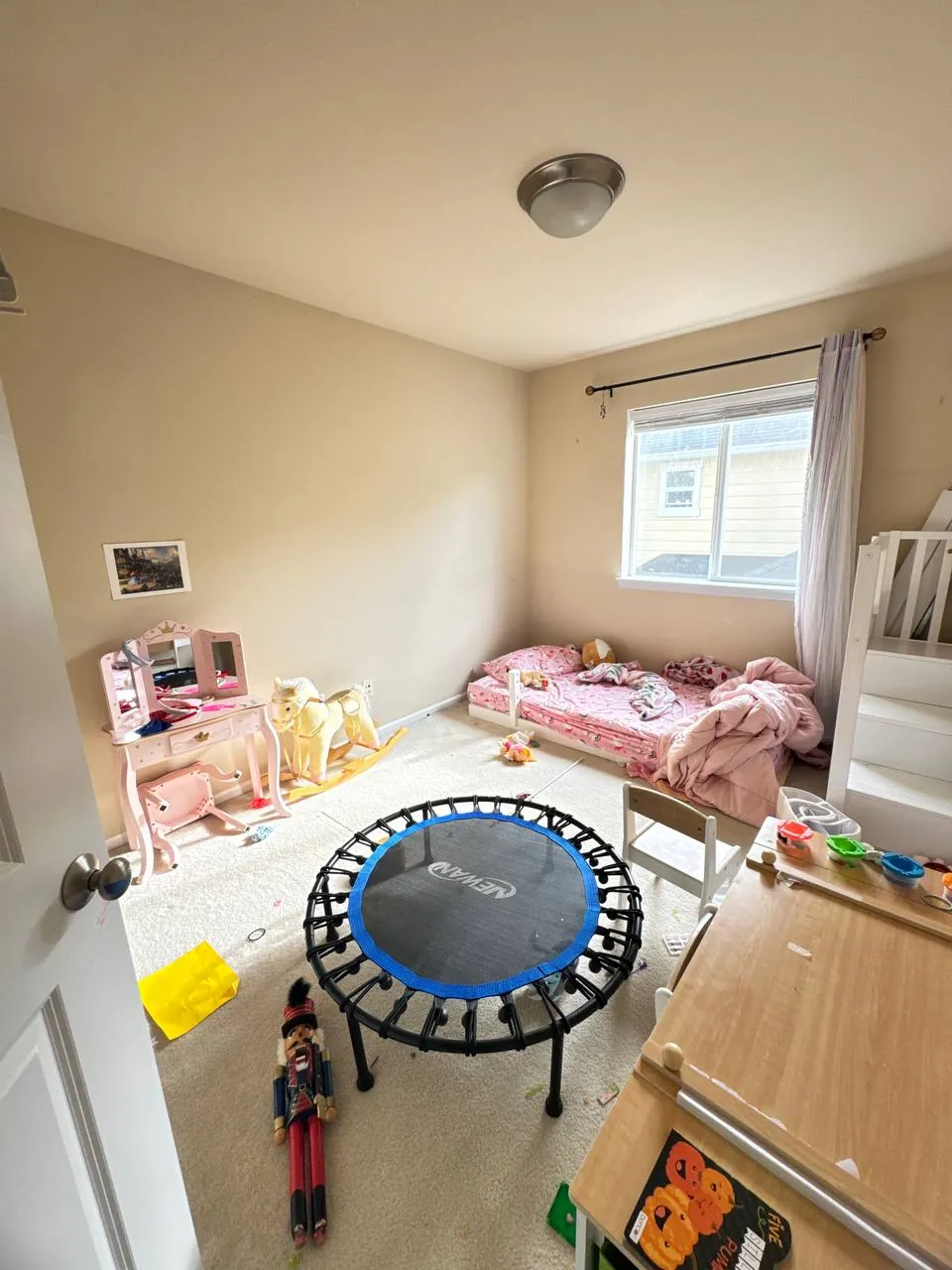 Before
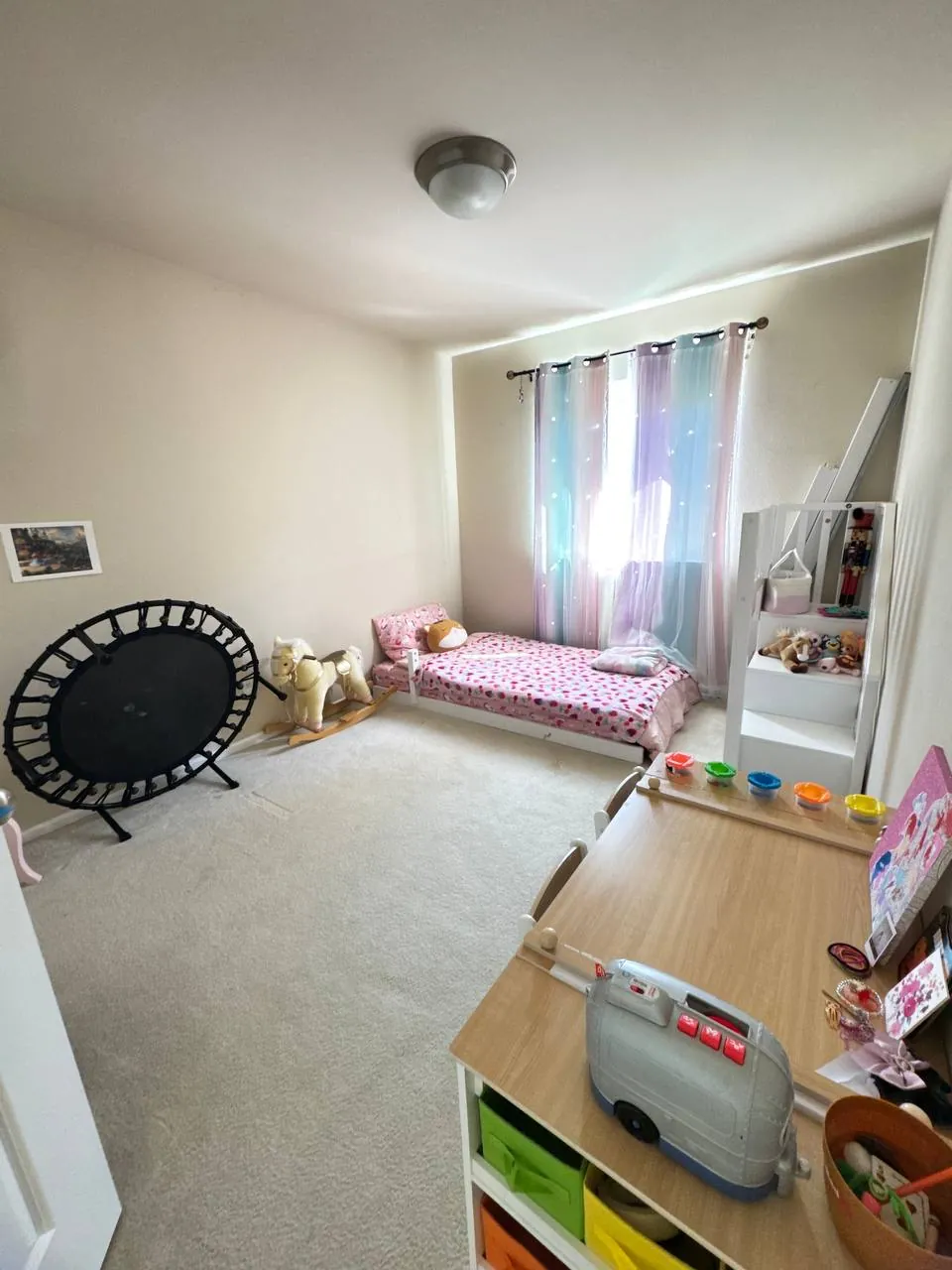 After
Where is steam the wrong tool?
- Heat-sensitive surfaces: some plastics, waxed floors, unsealed wood, vinyl plank and laminate.
- Large open floors, where a mop and the right solution is much faster per square foot.
- Heavy grease. Behind a cooking line, a food-service degreaser does the bulk; steam finishes grout and seams.
- Anywhere a documented disinfection claim is required. Steam supports the disinfectant, it does not replace it.
Is steam cleaning used in daycares and clinics in Washington?
Yes, as a method, not a requirement. WAC 110-300, Washington’s child care rule, sets sanitation duties for licensed programs; it does not require steam. In child care we steam hard toys staff set aside, cubbies, restroom fixtures and grout, because it leaves no product residue and no fumes at drop-off. Where the rule calls for an EPA-registered product, that product is still used with its dwell time. Our daycare buyer guide covers the rule.
In medical and dental offices, steam goes on restroom fixtures, grout and sealed hard surfaces; exam rooms get the List N product your practice specifies. See our clinic cleaning protocol.
In cafes and restaurants, steam handles tile grout, booth seams and equipment exteriors without leaving residue near food areas. Food-contact sanitizing during service stays with your staff; see restaurant cleaning in Washington.
What surfaces can be steam cleaned?
Sealed tile and grout, porcelain and stainless fixtures, sealed stone and quartz counters, glass, heat-rated hard plastic toys, equipment exteriors, booth and chair seams. Not unsealed wood, waxed floors, vinyl plank, laminate or thin plastics. Carpet and upholstery get a different hot-water method: hot-water extraction, with air movers to speed drying.
How we use steam on a commercial job
- Quick walk-through at the start of the visit: we mark which surfaces get steam, detergent or your required disinfectant.
- Dry debris off first, so steam does not push crumbs into grout.
- Steam on fixtures, grout, equipment exteriors and the zones on the scope.
- Disinfectant where the protocol calls for it, with dwell time.
- Color-coded microfiber throughout (red toilets, yellow bathroom counters, blue kitchens, green dusting), washed by color.
We do this after hours (after you close, overnight, or on your day off) for facilities in Mill Creek and our other licensed cities in Snohomish and King County.
 Our job
FAQ
Is a dry-steam cleaner different from a steam mop?
Yes. A household steam mop works near the boiling point of water and puts down wet steam. A dry-steam cleaner runs hotter at the nozzle with less water in the vapor, so it loosens buildup in grout and seams without soaking the surface.
Does dry steam leave surfaces wet?
Very little. Sealed surfaces are usually dry within minutes, and we wipe as we go. Floors are cleaned separately with the method that suits the surface.
Do you charge extra for steam on a commercial visit?
No. Steam is part of how we clean and is included in the per-visit price on your written quote. Nothing is added without your written yes.
Get a written price for your facility
Text 2–4 photos of the space to (425) 539-5492 or request a written quote. We reply with a written price the same business day (Mon–Fri 9am–7pm, Sat 9am–5pm). For a recurring contract, add a floor plan or the square footage; we ask any questions by text and confirm the price in writing.
steam cleaningsteam cleaning vs chemical cleaningcommercial cleaningdaycareclinicrestaurant