

Deep Cleaning Checklist: Room by Room
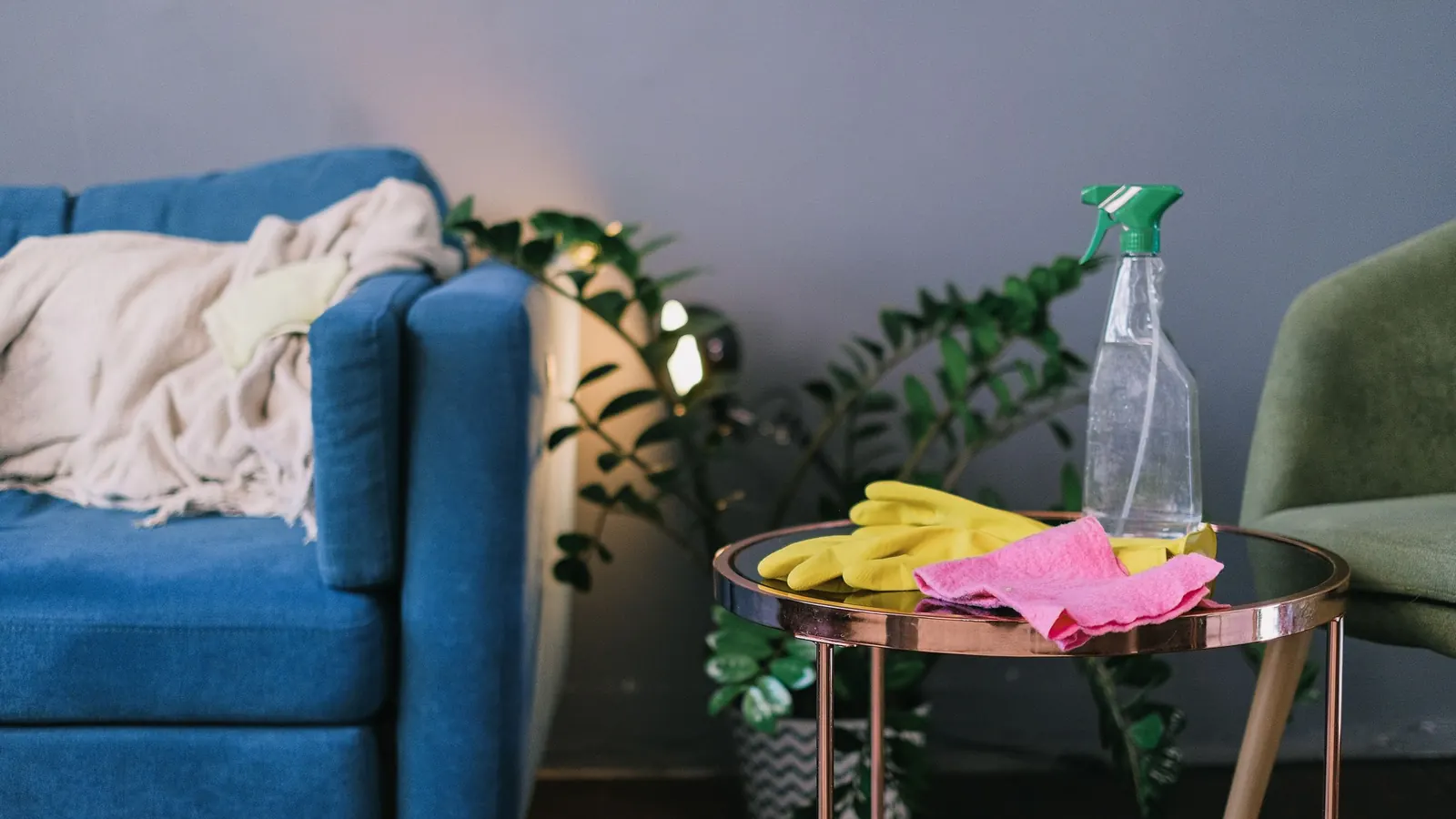
Deep cleaning checklist room by room: kitchen, bathrooms, bedrooms, and what costs extra in Snohomish & King County. Text for a written price.
By Yuri and Tatiana, owners of Shining Cleanse LLC, a family cleaning company based in Everett, WA and licensed in 10 cities across Snohomish and King County.
A deep cleaning checklist covers everything in a regular clean plus the spots that collect months of buildup: baseboards and door frames, inside cabinets, behind appliances, vents, light fixtures and hard-water scale in bathrooms. Below is the room-by-room list our deep cleanings follow, with the extras that are priced separately and the problems no cleaning can fix.
Use it to clean yourself, or to check what any company’s deep cleaning actually covers before you book. A deep clean of a typical 2–3 bedroom home is 6–8 work hours for us, about 3–4 hours with two of us, so plan a full day or a weekend if you do it alone.
What is included in a deep cleaning, room by room?
Everything in a standard clean, plus hand-wiped baseboards and door frames, empty cabinets inside, behind movable appliances, and vents, fixtures and fan blades. Bathrooms add scale removal. Not sure you need all of it? Compare standard cleaning vs deep cleaning first.
How should you use a deep cleaning checklist?
Work top to bottom and dry before wet. Dust falls, so light fixtures, ceiling fans and the tops of cabinets come before counters, and counters come before floors. Floors are always last.
Go room by room instead of task by task. Finishing one room completely is easier to track, and you do not walk dust from a finished room into a dirty one. Getting ready for a newborn? Here is the same checklist ordered for cleaning before the baby arrives.
A few tools make the list much faster:
- Microfiber cloths in several colors, so a bathroom cloth never touches a kitchen counter. Ours are red for toilets, yellow for bathroom counters, blue for the kitchen and green for dusting, washed separately by color.
- A vacuum with a HEPA filter. The EPA’s asthma trigger guidance recommends one on carpet and fabric-covered furniture to reduce dust build-up, and dusting often with a damp cloth.
- A step stool. We clean what we can reach safely from the floor or a stool, up to about 8 feet.
- A plant-based degreaser for the kitchen and a non-acid descaler for shower glass and faucets.
- A steam cleaner if you have one. We use dry steam at 290°F on grout, tubs, the stovetop and the range hood, because heat loosens grime without leaving residue.
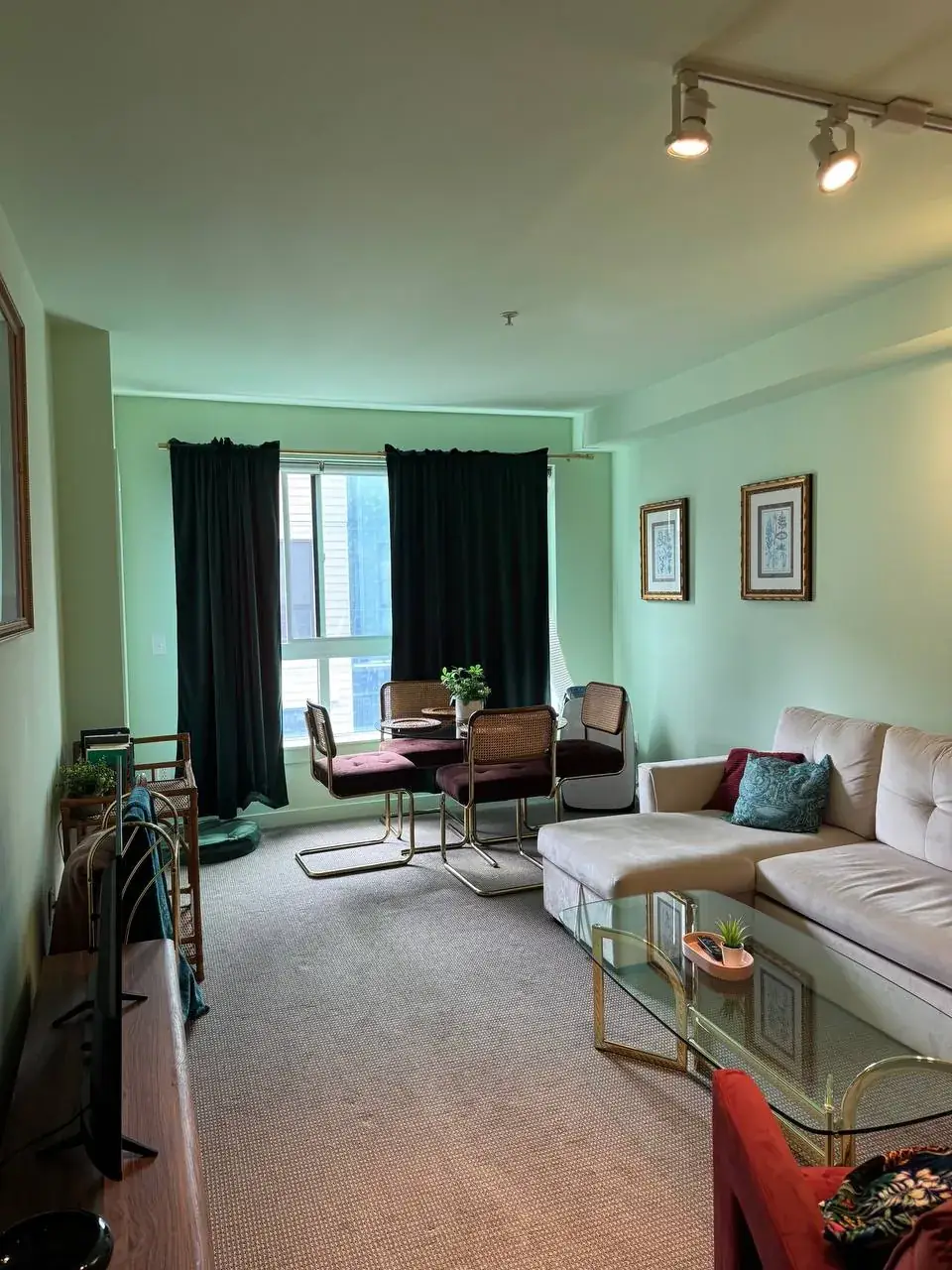 Before
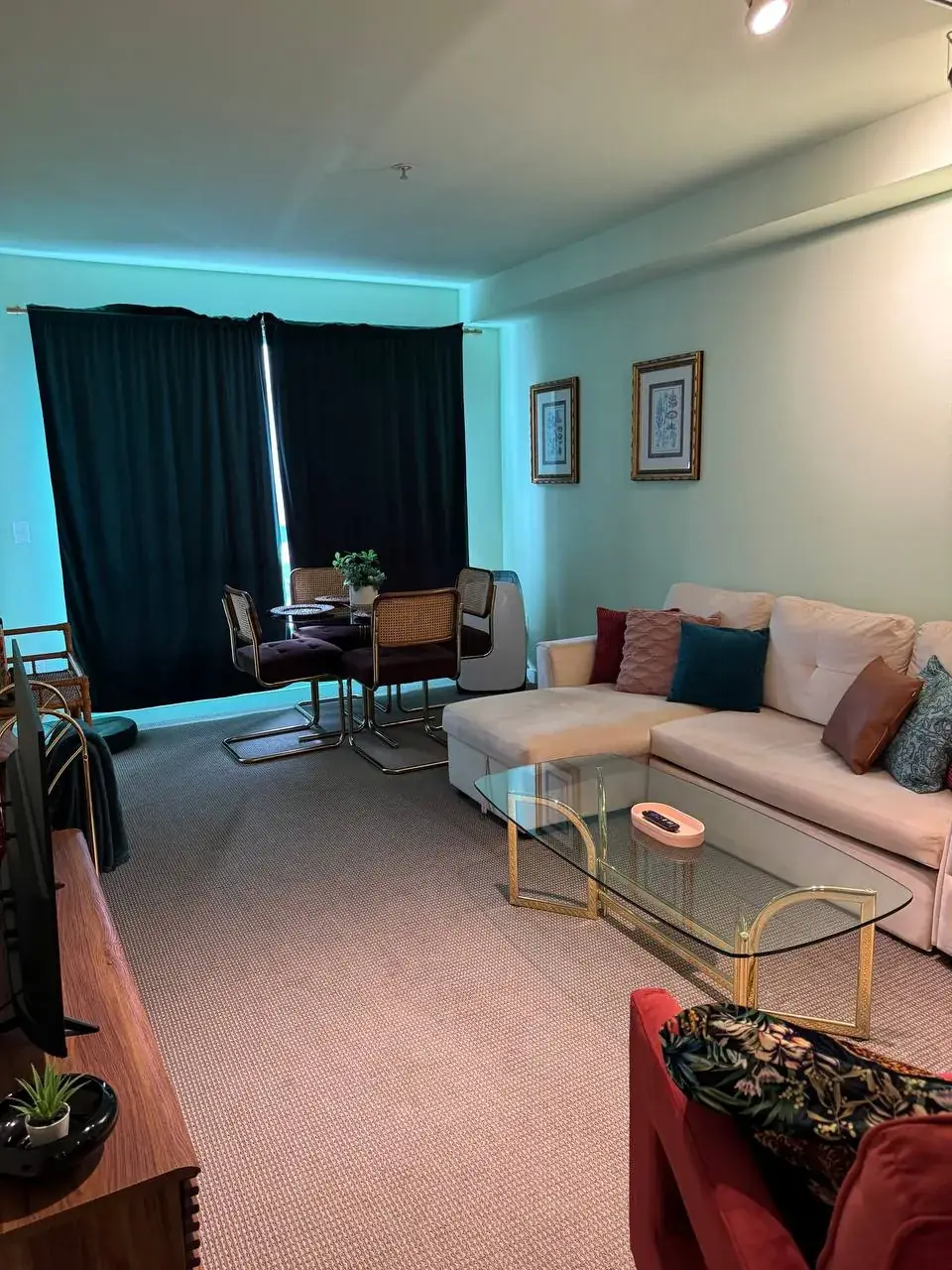 After
What does a deep clean include in the kitchen?
The kitchen takes the most time after the bathrooms. Grease mixes with dust on every horizontal surface, and the dirt that matters is behind and inside things.
- Light fixture over the table and the top of the fridge and upper cabinets.
- Range hood and exhaust grille: steam or degrease, then wipe dry.
- Stovetop and knobs.
- Inside the microwave.
- Appliance fronts and handles.
- Inside cabinets and drawers when they are empty; doors, handles and visible shelf edges when they are in use.
- Backsplash and counters.
- Wall spots and splatters near the stove and trash can.
- Sink and faucet, including scale around the base.
- Behind the stove: pull it out if it rolls and clean the floor and wall behind it.
- Behind and beside the fridge, as far as can be reached safely.
- Dishes washed or loaded into the dishwasher.
- Baseboards, then the floor, mopped last.
Two kitchen jobs are add-ons with us: inside the fridge ($56, shelves out and washed) and inside the oven ($56, degreased and steamed, racks soaked). Here is how we deep clean an oven without harsh chemicals.
What does a deep clean include in the bathroom?
Bathrooms hold the buildup people notice most: soap scum, hard-water scale and grime in grout lines.
- Exhaust fan grille: vacuum, then wipe.
- Light fixtures and the top of the mirror.
- Shower and tub: steam first to loosen soap scum, then treat glass, faucets and the shower head with a descaler that does not contain acid.
- Grout lines and corners where the tub meets the wall.
- Toilet inside and out, including the base and behind it, with cloths used only for toilets.
- Sink, faucet and handles.
- Mirror.
- Inside vanity drawers and cabinets when empty; fronts and handles when in use.
- Door frame, baseboards and the back of the door.
- Light switches and door handles.
- Floor last, including behind the toilet.
Scale that has built up for years may not fully come off without damaging the surface, and etched glass is permanent. A good clean makes both look much better, but a cloudy etch on old shower glass is damage, not dirt.
What about bedrooms, living areas and hallways?
These rooms are mostly about dust, and the dust collects in places a weekly clean skips.
- Ceiling fans and light fixtures, up to about 8 feet.
- Tops of door frames, picture frames and tall furniture.
- Vents, registers and return grilles: vacuum, then wipe.
- Shelves and every reachable surface.
- Nightstands and dressers; inside drawers only if they are empty.
- Baseboards and door frames, hand-wiped, including behind furniture you can safely reach.
- Wall scuffs and splatters, spot-cleaned.
- Light switches, door handles, banisters and remotes.
- Beds made if clean linens are left out.
- Floors: vacuum edges and under furniture, then mop hard floors.
Leave heavy furniture where it is. Clean around and under beds, dressers and bookcases as far as you can reach.
When should you disinfect instead of only cleaning?
Most of a home needs cleaning, not disinfecting. The CDC says that in most situations, cleaning regularly is enough to prevent the spread of germs, and recommends disinfecting as well when someone in the home is sick.
If you do disinfect, read the label and leave the product on high-touch surfaces such as switches, doorknobs and counters for the full contact time it lists. Wiping it off right away mostly just cleans. We use plant-based and EPA Safer Choice products by default, steam for most bathroom and kitchen work, and bleach only if you ask for it.
What costs extra on a professional deep clean?
Some jobs are add-ons, and some are not cleaning jobs at all. Here is where the line sits with us (all prices on our pricing page):
| Task | In our deep clean? | Notes |
|---|---|---|
| Inside the fridge | Add-on, $56 | Included in move-in and move-out cleans |
| Inside the oven | Add-on, $56 | Included in move-in and move-out cleans |
| Interior windows, tracks and sills | Add-on, $86 | Whole house |
| Carpet extraction | Add-on, $59 per room | Minimum two rooms |
| Garage | Add-on, $106 | Sweep, cobwebs, surfaces |
| Laundry | Add-on, $46 | Wash and fold |
| Full wall washing | Not included | Walls are spot-cleaned only |
| Post-renovation dust | Quoted separately | Takes 2–3 times as long |
| Anything above about 8 feet, exterior windows above the ground floor | Not included | |
| Mold beyond surface mold, water damage | Referred out | Needs a specialist |
| Permanent stains, wear, sun fading | Cannot be fixed by cleaning | We point them out |
Should your next clean be deep or standard?
After one deep clean, most homes do not need another one right away. A standard cleaning keeps the level you just reached: dusting, floors, kitchen and bathrooms, trash, 5–6 work hours for a typical 2–3 bedroom home. A deep clean every 3–4 months on top of regular visits, or once a year in a well-kept home, handles the rest. September and October are a good time for it; see our fall cleaning checklist for Pacific Northwest homes. We follow this list in Bothell and our other licensed cities.
We price home cleaning at $120 an hour for the two of us ($60 per person-hour). A deep clean is $300 for a studio or 1-bedroom in normal condition (5 work hours), $360 for 2 bedrooms and $480 for 3 bedrooms. A first standard clean is $240 for a studio or 1-bedroom, $300 for 2 bedrooms and $360 for 3 bedrooms. Our guides to what a deep cleaning costs in Washington and house cleaning prices in Snohomish and King County break the numbers down.
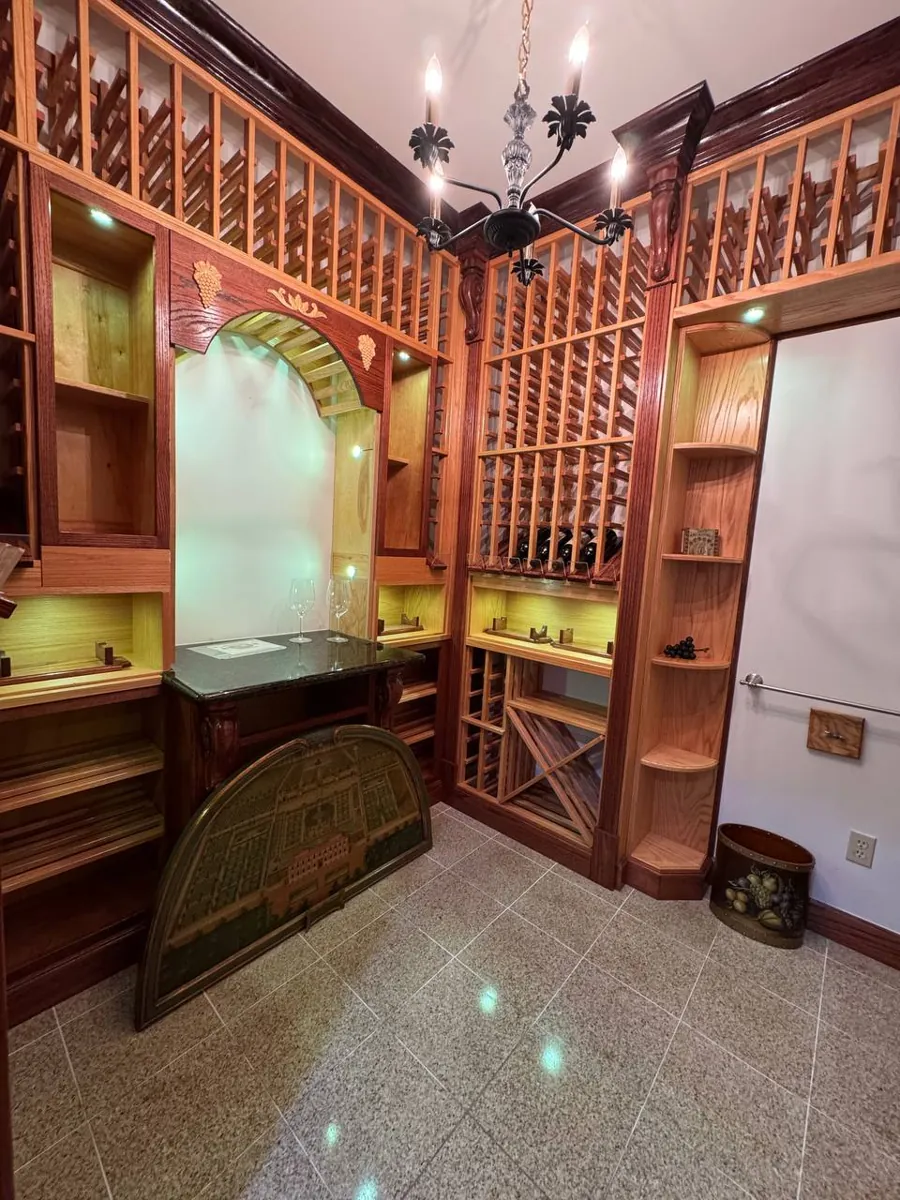 Our job
FAQ
How many hours does a deep clean take for a 3-bedroom house?
A 3-bedroom deep clean is 8 work hours, about 4 hours with two of us; a typical 4-bedroom is 10 work hours. Condition matters as much as size, which is why we ask for photos first.
Should I declutter before a deep clean?
It helps. Clear counters and floors where you can, and empty any cabinets you want wiped inside. We clean around belongings that stay out, but we do not organize.
Is a deep clean the same as spring cleaning?
Mostly, yes. Spring cleaning usually adds seasonal jobs such as windows, screens and the garage; see our spring cleaning checklist for the Pacific Northwest.
Get a written price
Rather keep your weekend? Photos of the kitchen and main bathroom help most. Text 2–4 photos to (425) 539-5492 or request a written quote. We reply with a written price the same business day (Mon–Fri 9am–7pm, Sat 9am–5pm).
deep cleaningchecklisthouse cleaningkitchenbathroomdeep cleaning checklist