

Why Does Carpet Look Dirty After Cleaning? Wicking, Residue and the Pad
Why carpet looks dirty after cleaning: wicking, soap residue or a soaked pad, how to tell which, and how we fix it near Seattle. Text for a written price.
By Yuri and Tatiana, owners of Shining Cleanse LLC, a family cleaning company based in Everett, WA and licensed in 10 cities across Snohomish and King County.
Carpet looks dirty after cleaning for one of three reasons: wicking, where a stain deep in the backing rises back up as the carpet dries; sticky soap residue that grabs new dirt; or a spill or pet urine soaked into the pad. Each has a different fix, and the timing and shape of the spot tell you which you have.
Why do spots come back after carpet cleaning?
A spot that comes back was rarely “not cleaned.” More often it was cleaned on top while something underneath was left behind, after a DIY clean or a professional carpet cleaning alike. Carpet has three layers that matter here: the face fibers you walk on, the backing that holds them, and the pad below. A spill that soaked through to the backing or pad is out of reach of a light surface clean.
This table is the quick way to diagnose what you are looking at:
| What you see | Likely cause | What fixes it |
|---|---|---|
| A brown or yellow spot back within a day, where an old spill was | Wicking | Blotting as it dries, then re-treatment with extra extraction |
| Whole traffic lanes going gray again within days or weeks | Soap or spotter residue | A rinse extraction that pulls the residue out |
| A spot that returns after every cleaning, with odor on damp days | Contamination in the pad, often pet urine | Pet odor treatment, and pad replacement if the smell returns |
| Lanes that look gray even right after cleaning | Wear and matting | Cannot be cleaned out |
| Dark footprints a few hours after cleaning | Shoes on damp carpet | Let it dry, vacuum, keep shoes off until dry |
What is wicking in carpet?
Wicking is when a stain that soaked into the backing or pad travels back up the fibers as the carpet dries and shows on the surface again. Carpet dries from the top down, so moisture moves upward toward the tips, carrying dissolved coffee, juice, soda or urine with it. The surface looked clean when the cleaner left, and by the next morning a ring is back in the same spot.
Wicking is more likely with large spills that were never extracted, like a full glass of soda or repeated pet accidents in one spot. It is also more likely when carpet is over-wet during cleaning, because more water reaches the backing. Our guide to how long carpet takes to dry after cleaning covers how to keep drying short.
What to do if you see it: fold a white towel, lay it flat on the damp spot, and put something heavy on it, like a stack of books on a plastic bag. As the carpet dries, the towel catches what wicks up. Swap it when it shows color. Do not scrub, and do not add store spotter on top.
If it happens after one of our cleanings, text us a photo within 48 hours and we come back and re-treat that area at no charge.
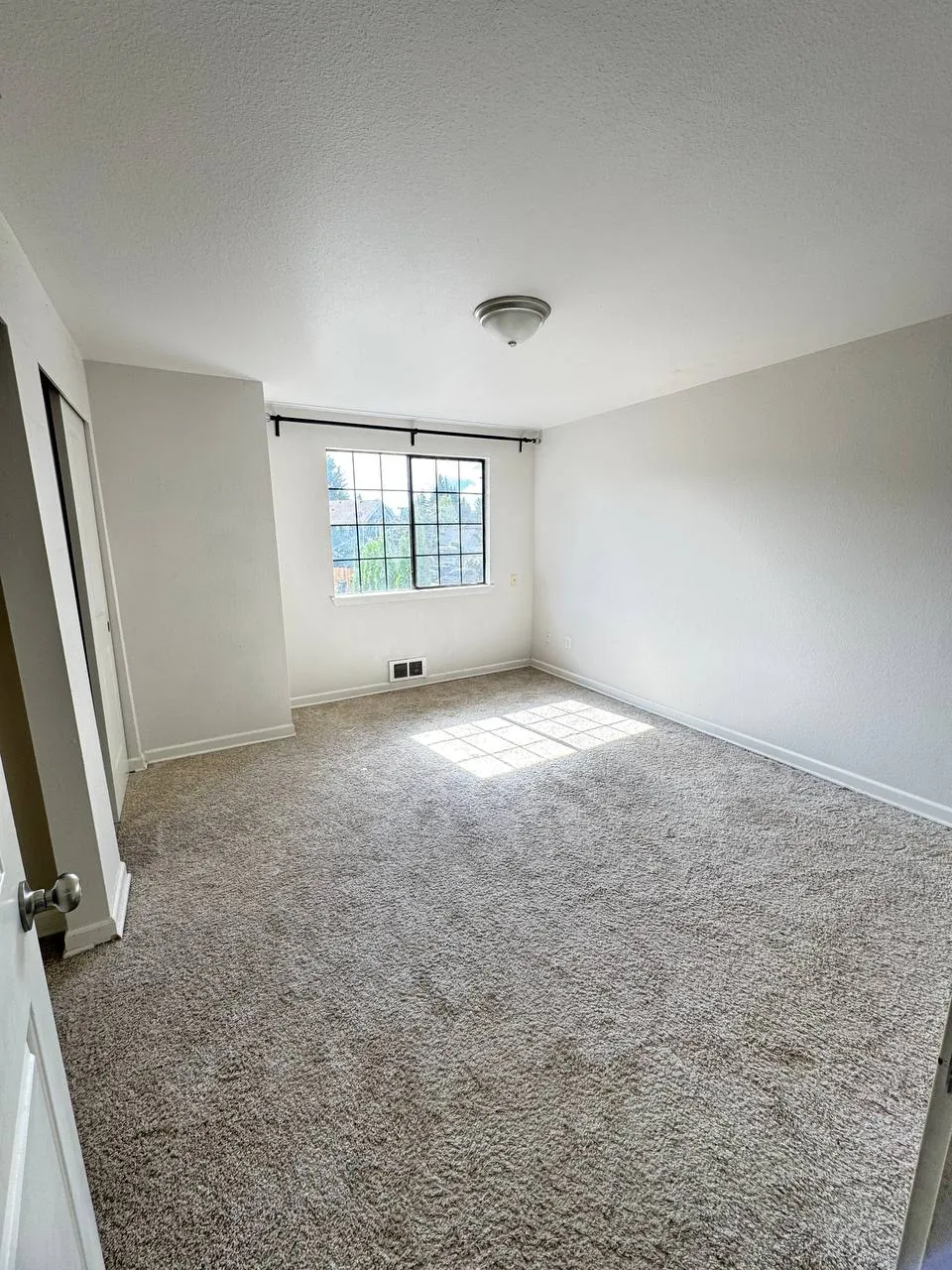 Before
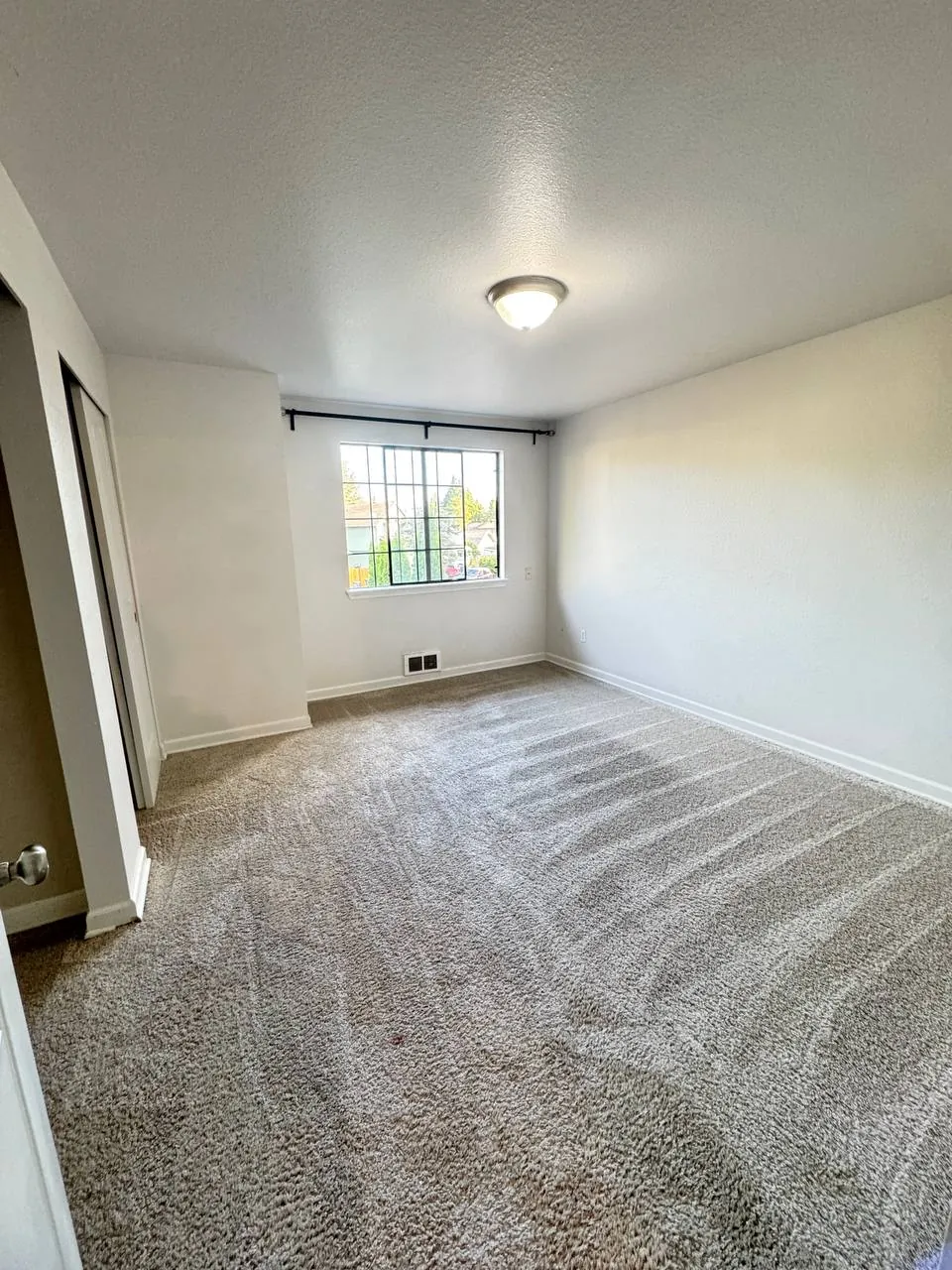 After
Can soap residue make carpet get dirty faster?
Yes. Detergent or spotter left in the fiber stays slightly sticky after it dries, and sticky fiber grabs soil from shoes and paws much faster than clean fiber. In its carpet cleaning guidance, Shaw Floors warns that soap residue left on carpet can cause rapid re-soiling of the entire floor. The same page says many do-it-yourself spot removal products clean poorly and their residues attract soil.
The common sources:
- Too much solution in a rental machine, with too few rinse and dry passes. Our comparison of whether professional carpet cleaning is worth it covers how to avoid it.
- Store spotters used over and over on the same spot, which leaves a sticky patch that darkens faster than the carpet around it.
- Cleaning methods with no rinse. Low-moisture methods capture soil and leave a dry residue to be vacuumed. That suits routine office upkeep better than heavy home soil, as our guide to hot water extraction vs dry carpet cleaning explains.
A carpet loaded with old residue usually needs a thorough rinse extraction to reset it, and the first cleaning after years of DIY spotting may take more passes than usual.
How do you know if a spot is in the pad?
A spot is probably in the pad if it comes back after every cleaning, covers a larger area than the visible mark, and smells stronger on damp days. Pet urine is a common cause: a dog or cat that uses the same corner repeatedly can soak the pad and sometimes the subfloor below it.
Surface cleaning cannot reach that. Our pet odor treatment starts with you telling us where the accidents happened and a check of those areas for stains and smell. We cannot see the pad, so we tell you up front that a smell that returns after treatment points to the pad. Each spot gets an enzyme or oxidizing treatment for the full dwell time, then two or three hot rinse passes. It is $52 per affected area, added to the carpet cleaning; all our carpet prices are on the pricing page.
When urine has saturated the pad, we say so before any work starts. Treatment can reduce the odor, but the real fix is replacing the pad in that area, which is a flooring contractor’s job. Our article on pet urine carpet treatment goes deeper.
How do you fix stains that reappear?
The goal is to leave nothing behind: no soil, no residue and as little water as possible. On our visits that means:
- Ask what was used on each stain. Every store product leaves something different, and some set the stain.
- Vacuum first, so dry grit is removed instead of turned into mud.
- Pre-spray and agitate traffic lanes and spots, with the mildest product that works, tested in a hidden area first.
- Rinse. Hot water extraction pulls the solution and soil back out, so nothing sticky is left.
- Extra dry passes, so less moisture is left to carry a stain up.
- Air movers running while we pack up, so there is less time for wicking.
Even with all of that, a deep spill can wick. That is why we tell you which spots to watch, and why re-treatment within 48 hours is part of the job in Mountlake Terrace and every other city we serve.
How can you keep carpet clean longer after a cleaning?
- Stay off it until it is dry, usually 4 to 8 hours. Damp fiber picks up soil from shoe soles and paws much faster.
- Leave the plastic tabs under furniture legs we moved for 24 hours.
- Put a washable mat at each entry. Most soil in carpet is dry grit carried in on shoes.
- Vacuum on a schedule. Shaw’s carpet care guide recommends vacuuming high-traffic lanes daily and all carpeted areas weekly, and blotting spills right away rather than rubbing.
- Skip the store spotter for everyday spills. Blot with a white cloth and plain water, and text us about anything that does not lift.
What can cleaning not fix?
Some carpet looks dirty when it is actually damaged. Worn traffic lanes, matted pile, sun fading and bleach spots do not come out because there is no dirt to remove; the fiber itself has changed. Dyes from red drinks on nylon, rust and dried latex paint may also stay. We mark these before we start and note them in your report.
If stains are on your mind before booking, read what to do with carpet stains before professional cleaning.
 Our job
FAQ
Why does carpet look darker right after cleaning?
Wet fiber looks darker than dry fiber, so freshly cleaned carpet often looks a shade deeper until it dries. It should lighten evenly over 4 to 8 hours. If an area still looks dark or blotchy once the base of the pile is dry, that points to leftover soil, residue or wicking rather than water.
What causes brown rings on carpet after cleaning?
Usually wicking of an old spill from the backing. On carpet with a jute or other natural-fiber backing, too much water can also pull tan color up into the pile. Lay a folded white towel with a weight on the ring while it dries, and if the carpet was cleaned by us, text a photo within 48 hours.
Should I clean a returning spot again myself?
Not with more store spotter, which adds residue and can set the stain. Blot with a white towel and cold water, weight a dry towel on it overnight, and see whether it improves. If it keeps coming back, it is likely in the backing or pad and needs extraction or treatment rather than another surface clean.
How soon does wicking show up after cleaning?
As the carpet dries, so usually within the first day. Many people notice it the next morning. A spot that looks fine once the carpet has been fully dry for a day or two and then darkens weeks later is more likely residue attracting soil than wicking.
Get a written price
Text 2–4 photos to (425) 539-5492 or request a written quote, including the spots that keep coming back and what has been used on them. We reply with a written price the same business day (Mon–Fri 9am–7pm, Sat 9am–5pm), with a plain note on which spots we expect to fix.
why does carpet look dirty after cleaningcarpet cleaningwickingresoilingcarpet stainspet urine