

Daycare Cleaning Checklist by Zone: 9 Areas and How We Clean Each One
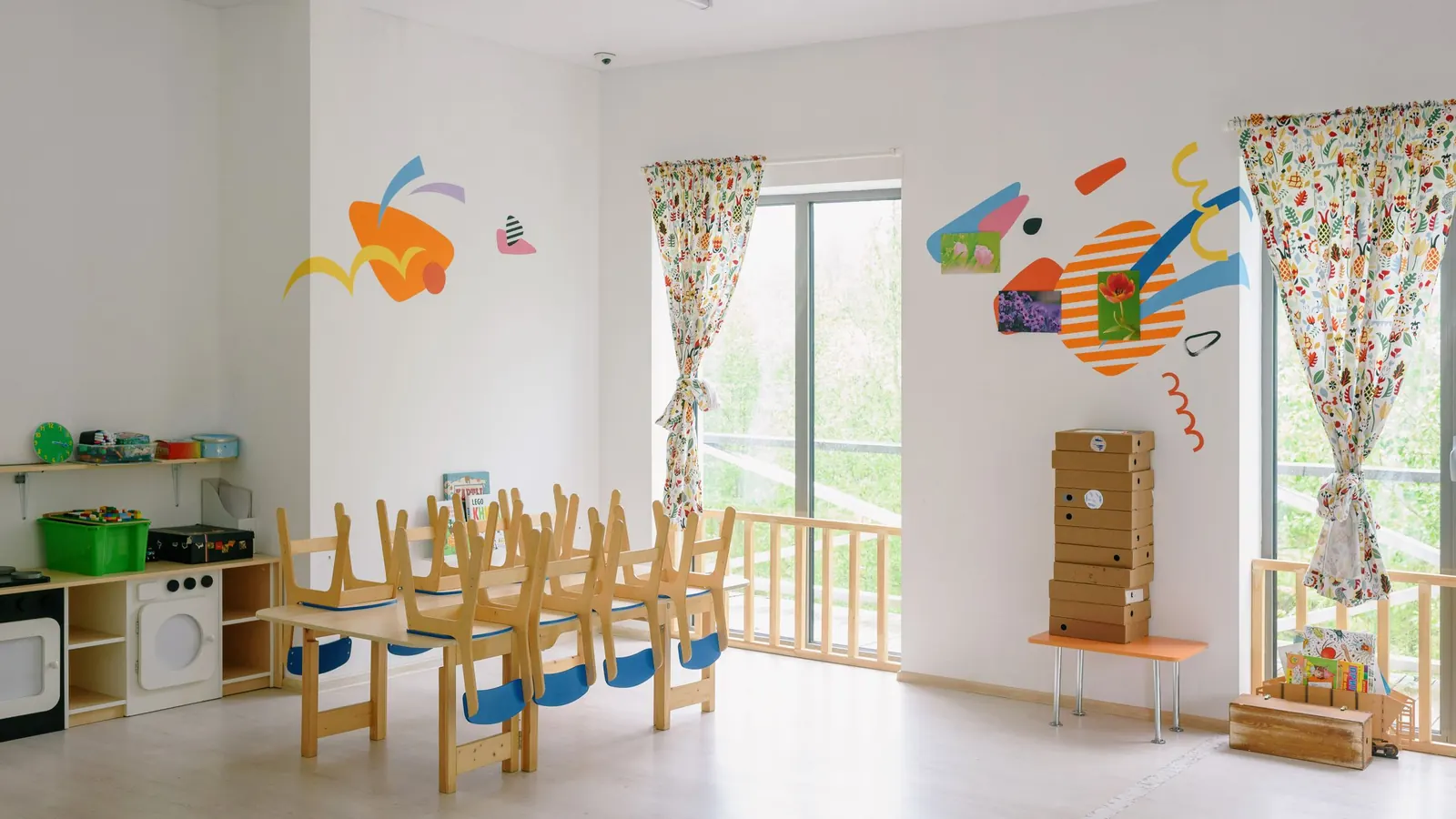
A daycare cleaning checklist by zone: entry, tables, toys, restrooms, diapering, floors and vents. Snohomish & King County. Text for a written price.
By Yuri and Tatiana, owners of Shining Cleanse LLC, a family cleaning company based in Everett, WA and licensed in 10 cities across Snohomish and King County.
A daycare cleaning checklist by zone splits a center into nine areas: entry and cubbies, tables and high chairs, toys, child-height restrooms, nap area, diaper changing station, floors, vents and the shoe area. Each zone gets its own tools, cloth color and product, and the diaper station gets the longest disinfectant dwell, 10 minutes with the product we use there.
This is the protocol we follow on every after-closing daycare cleaning visit in Lake Stevens and our other licensed cities. The goal is to keep anything from the restrooms and the diaper station away from food and play surfaces. Making the room look tidy is the easy part.
Which surfaces in a daycare need cleaning most often?
Anything mouthed, and anything near diapers and toilets.
| Zone | Surfaces | Every visit | Monthly or quarterly |
|---|---|---|---|
| 1. Entry and cubbies | door handles both sides, hooks, shelves, sign-in surface | disinfect with dwell time | |
| 2. Tables and high chairs | tops, undersides, chair backs, tray seams | clean, then disinfect | steam on stuck-on residue |
| 3. Toys | hard toys staff set aside in bins | steam or wash, return | |
| 4. Child-height restrooms | flush handles, seats, faucets, dispensers | steam fixtures, disinfect touchpoints | steam on grout |
| 5. Nap area | cot frames, shared mats | wipe or steam per your protocol | |
| 6. Diaper station | pad, rails, wall behind, disposal | 10-minute dwell, single-use cloths | |
| 7. Floors | vinyl, carpet, restroom tile | by surface | carpet extraction quarterly |
| 8. Vents and returns | covers and grilles | covers monthly, grilles quarterly | |
| 9. Shoe area | entry mats, entry tile | mats shaken out | weekly steam on entry tile |
What is the difference between cleaning, sanitizing and disinfecting in child care?
The CDC and EPA use three separate terms. Cleaning removes dirt and organic matter with soap or detergent. Sanitizing reduces microbes on a surface to levels public health codes consider acceptable, often on food-contact surfaces. Disinfecting uses an EPA-registered product to inactivate the organisms listed on its label, and only while it stays wet for the label dwell time.
The order matters: a disinfectant cannot work through yogurt or glue, so we clean first, then disinfect. Spraying and wiping immediately is cleaning, not disinfecting.
 Our job
 Our job
The checklist, zone by zone
The same zone logic we use in offices, described in office cleaning by zone, gets stricter in child care.
Entry and cubbies
Coat hooks, cubby shelves, sign-in screens or clipboards, both sides of the entry door handle. An EPA-registered disinfectant sits for its label dwell time, then is wiped dry with blue microfiber.
Tables and high chairs
The most-used surface, at every meal, snack and craft. A food-safe cleaner removes organic matter, then disinfectant. Undersides and chair backs every visit.
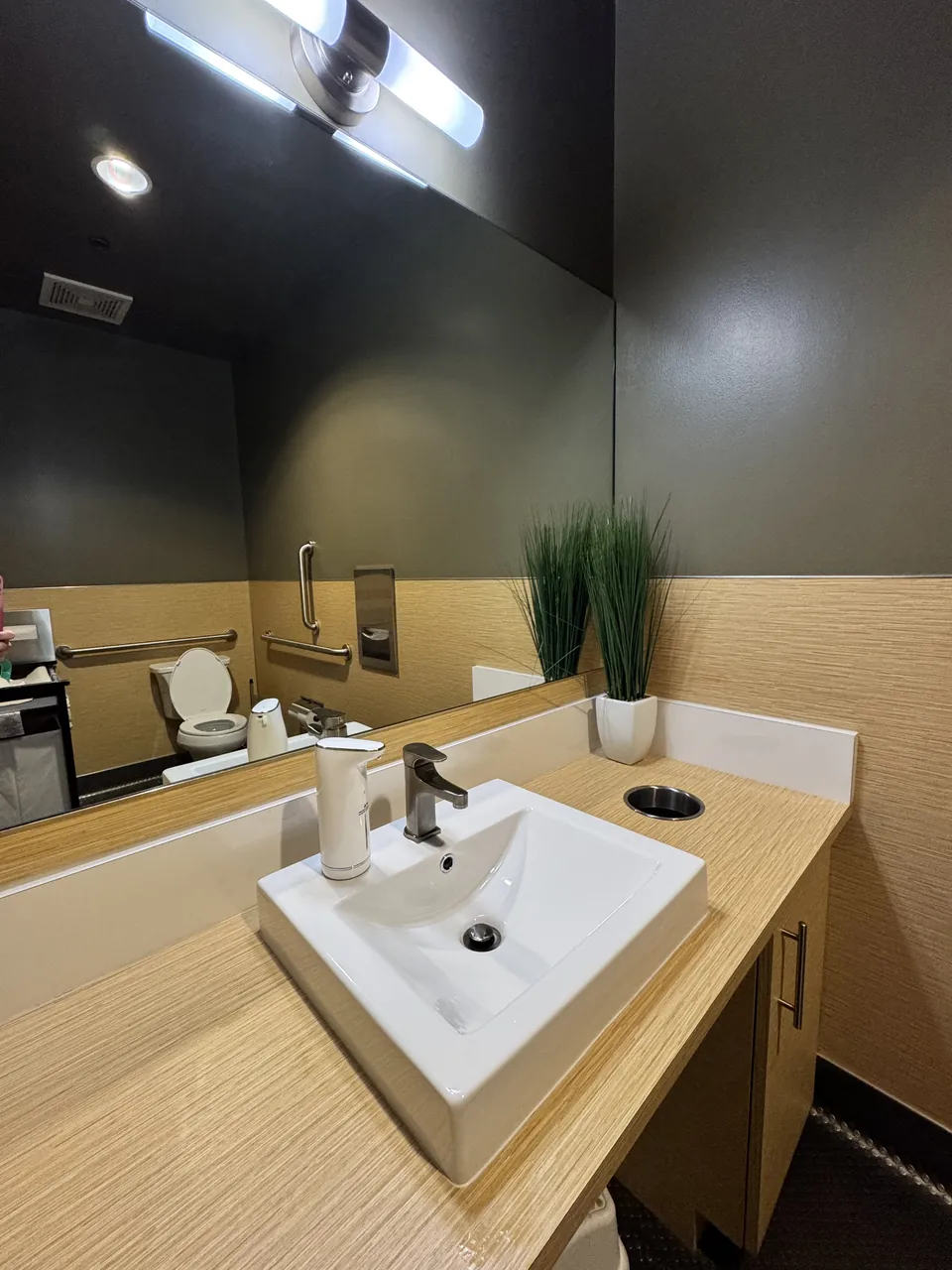
Child-height restrooms
Red microfiber that never leaves the restroom. Dry steam, 290°F at the nozzle, on the toilet, base and grout; acid-free descaler on faucets; disinfectant on every touchpoint. Floor last, with a fresh mop head.
Nap area and floors
If parents wash cot sheets weekly, we clean the cot frames; shared mats get a full steam pass. We make no claims about dust mites or allergens. Floors are cleaned by surface: pH-neutral cleaner on vinyl and LVT, vacuum on carpet, with extraction quarterly.
How should toys be cleaned in a child care center?
It starts with staff: at the end of the day they put toys for cleaning in designated bins. We steam heat-rated hard toys, which leaves no product residue on them, or run dishwasher-safe bins, and return everything to the shelf. Plush toys follow your protocol, usually a hot dryer cycle run by staff.
Why steam and not a spray on toys: see steam cleaning vs chemical cleaning.
How do you clean a diaper changing station?
It is the highest-risk zone in the center, so it gets its own routine after the last change of the day:
- Gloves on; anything left on the pad goes into a separate disposal bag.
- Clean the pad, rails and the wall behind with detergent.
- Apply an EPA-registered disinfectant and leave it wet for 10 minutes.
- Wipe with single-use cloths, never reused microfiber.
- Gloves off and bagged before touching anything else.
 Our job
FAQ
How long should disinfectant stay wet on a daycare surface?
As long as its label says, usually 1–10 minutes depending on the product. If it dries early, it has to be reapplied. We time the diaper station separately because it has the longest dwell.
Can a daycare use bleach?
Bleach can be used when mixed and applied exactly per its label, but it needs precise dilution and ventilation. We use EPA-registered products and steam by default, and bleach only when your director asks for it for a specific purpose.
What do staff clean during the day?
In-day work: tables after meals, the diaper station between changes, and moving mouthed toys into the bin. We do the after-closing pass across all nine zones. For visit frequency and costs, see our daycare cleaning buyer guide for directors; visits start at $447 on our pricing page.
Get a written price for your center
Text 2–4 photos of the space to (425) 539-5492 or request a written quote. We reply with a written price the same business day (Mon–Fri 9am–7pm, Sat 9am–5pm). For recurring service, add a floor plan or the square footage; we ask any questions by text and confirm the price in writing.
daycare cleaningdaycare cleaning checklist by zonecommercial zonesSnohomish County